This one source book will provide you with everything you need to competently teach geography from Kindergarten through graduation. It is part lesson plans, part idea book, part unit study and part inspiration, with a refreshing, inclusive introduction to the basics and numerous, well-thought-out lesson plans with suggestions for cross-curriculum teaching. There are also many reproducible outline maps and 300+ timeline figures. Learn how to select appropriate reference materials, construct a timeline, and integrate a student notebook approach. Enjoy the literature unit featuring Hans Brinker or the Silver Skates or the two pure geography units for middle and high school students. Lots of activities, charts, reproducibles, games, flash cards, and the scope and sequence make for a penetrating yet fun yearly study of geography for the whole family. This text is appropriate for grades K-12.
Little is known of Canadians who were home educated as students, particularly as they compare to their Canadian adult peers who were educated in publicly-funded and private schools. Are they as engaged as their peers in democratic, cultural, and economically productive activities? How do their income levels and income sources compare? Are they more or less likely to pursue postsecondary education, to be involved in their communities, to be physically active? How do they evaluate the advantages and disadvantages of their home education experience? This study provides a demographic and lifestyle snapshot of these young adults and offers an initial description of some of the indicators of the outcomes of the first generation of home education in Canada. The study followed up with Canadian survey participants fifteen years after they first shared information about their home education practices, family demographics, and academic achievements (Ray, 1994). It describes their current education level, occupation, community participation, religious observance, income, life satisfaction, recreational pursuits, and family status, and compares these with those of the general adult population of Canadians in the same age group. We also asked graduates to reflect on their home education experience and how it prepared them for their future.
This technical paper provides an estimate of the number of children in homeschooling. Of particular note is their estimate of the numbers of children with any type of homeschooling experience. Based on an estimate of an average turnover rate of 2 years, this study estimates that the number of children with some homeschooling experience, by age 18, would be around 6 to 12 percent of the population. The study also looks at the filing status of homeschoolers in various states and the possible under-estimation of non-filers.
 Homeschooling: You're Doing It Right Just by Doing It *
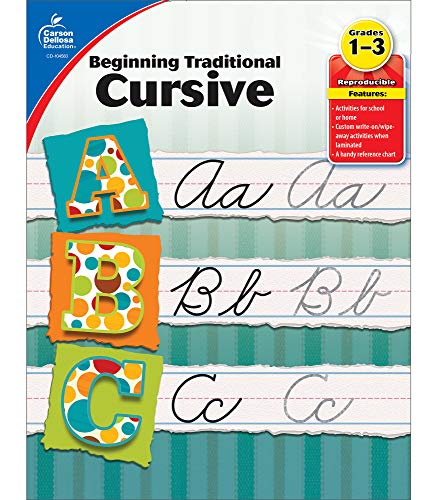
 Carson Dellosa Grades 1-3 Beginning Traditional Cursive Handwriting Workbook, Wr... *
 Human Body Activity Book for Kids: Hands-On Fun for Grades K-3 *
 Homeschooled: A Memoir *
 Raising Boys to Men: A Simple, Mercifully Short Book on Raising and Homeschoolin... *
 The Homeschool Planner: Beautiful and Undated with Monthly Tabs | To Do List, Go... *
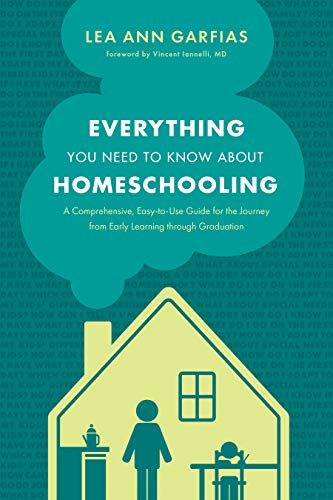
 Everything You Need to Know about Homeschooling: A Comprehensive, Easy-to-Use Gu... *
 Home Learning Year by Year, Revised and Updated: How to Design a Creative and Co... *
 Exploring Nature Activity Book for Kids: 50 Creative Projects to Spark Curiosity... *